New research suggests Déhus Dolmen could be an 'Easter clock'
Wed 12 Aug 2026
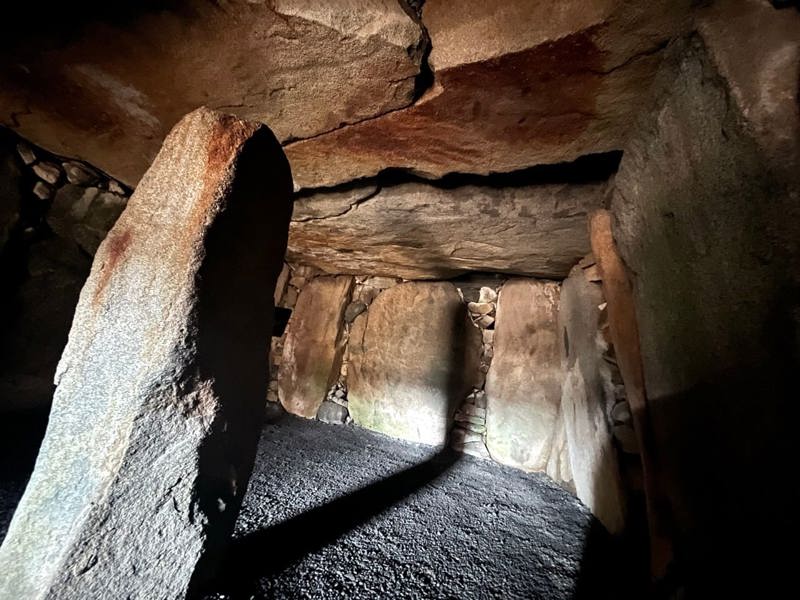
How The Quarry illustrated its story about new research on Déhus Dolmen
Located at the northern end of the parish, Le Déhus was constructed around 6,000 years ago, making it one of the oldest surviving monuments in Guernsey and an important part of the island’s prehistoric heritage.
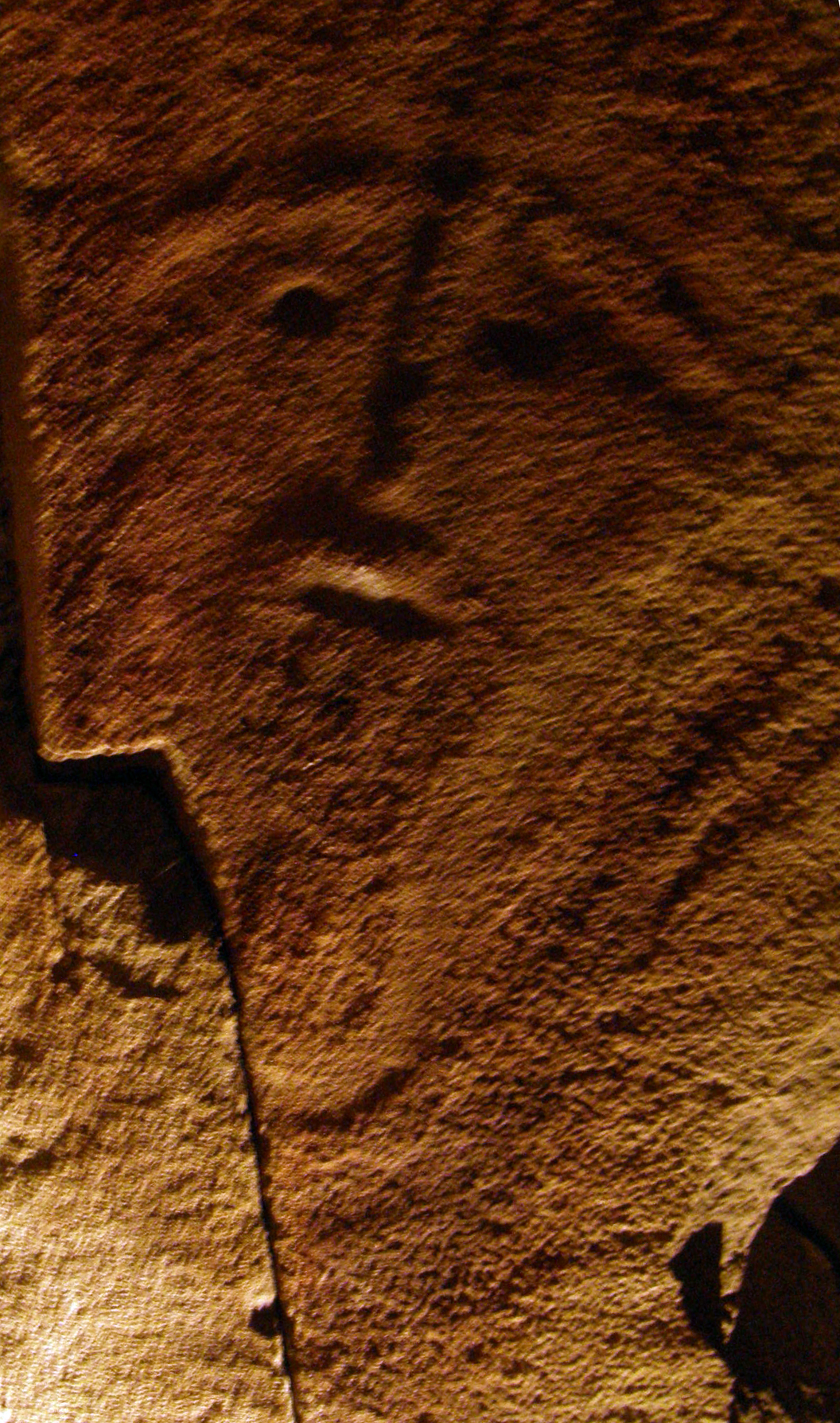
The monument consists of a stone passage leading into a burial chamber, surrounded by massive granite stones. It also contains one of Guernsey’s most mysterious prehistoric carvings, the “Guardian of the Tomb”.
New research by Guernsey investment actuary Martyn Dorey suggests that the arrangement of the stones at Le Déhus may have been connected with observations of the sun, moon and changing seasons.
Measurements indicate that the central standing stone is aligned closely east-west and that its shadow follows this line around the spring and autumn equinoxes. The passage itself is orientated slightly north of the equinox sunrise, potentially allowing sunlight to enter the monument over a period around the spring equinox.
Lunar
Mr Dorey proposes that this may have had a connection with the lunar cycle traditionally associated with the calculation of Easter. He also suggests that the mysterious carving beneath one of the capstones could represent Orion, the prominent constellation, and may have formed part of a much older symbolism involving the sky, the earth and the changing seasons.
Details of Mr Dorey's findings have been reported by The Quarry, an online news site promising independent, objective local journalism, and the full article can be found here. The piece also contains links to modelling about how the monument could have been designed to work.
Le Déhus also provides an important reminder of the Vale’s significance in Guernsey’s much earlier history. The island was part of a wider network linking prehistoric communities in Brittany and Britain, and Guernsey may have been an important stopping point for people travelling across the Channel.
Connection
Today, Le Déhus is a tangible connection with the people who lived in the Vale thousands of years ago. Whatever the ultimate meaning of its stones and carvings, the monument demonstrates that Guernsey’s prehistoric inhabitants were capable of sophisticated construction and may have had a remarkably detailed understanding of the landscape, the seasons and the night sky.
For the Vale, Le Déhus is not simply an ancient burial monument. It is an extraordinary part of the local landscape and a reminder that the parish has been a place of human activity, belief and observation for thousands of years.
Dehus Dolmen is a prehistoric passage grave approximately 10 metres in length. One of the capstones has a remarkable carving of a man featuring a bearded face, arms and hands, with what appears to be a strung bow, and a series of symbolic designs. The carving is affectionately known as The Guardian of the Tomb (pictured below). Large quantities of finds dating from 3,500-20,00BC have been found at the site, making it one of Guernsey's oldest attractions.